Engine restoration technology
Nano remetalizing technology for worn engine surfaces.
SuperNano Engine Remetalizer is designed to support internal engine restoration by circulating nano-sized metallic alloy particles through the oil system and helping improve sealing, compression, smoothness, and efficiency.
20nm
nanoparticle size
47%
reported vibration reduction
11.9%
reported horsepower increase
9.9%
reported torque increase
Scale of nanotechnology
A 20 nanometer particle is smaller than most people can imagine.
A single SuperNano particle is approximately 20 nanometers in size. For comparison, a sheet of paper is about 100,000 nanometers thick, and a human hair is approximately 80,000 to 100,000 nanometers wide.
How it works
Restore and protect worn internal engine surfaces.
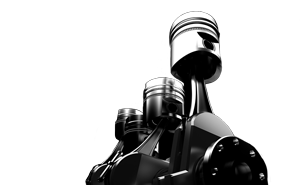
Engine wear can reduce compression, increase vibration, increase oil consumption, and reduce efficiency. SuperNano is designed to work alongside quality engine oil by supporting microscopic surface restoration where heat, pressure, and friction are most active.
Step 1
Circulates through engine oil
SuperNano particles travel through the engine oil system while the engine is running.
Step 2
Targets heat and pressure areas
The particles are designed to work around high-friction surfaces where wear is most likely to occur.
Step 3
Supports surface restoration
Metallic alloy particles help fill microscopic wear marks on internal engine surfaces.
Step 4
Improves sealing efficiency
Improved piston ring and cylinder wall sealing can support restored compression, smoother operation, and reduced vibration.
Remetalizing effect
A porous metallic honeycomb-like layer.
SuperNano technology is designed to form a porous metallic honeycomb-like crystalline layer between the cylinder wall, piston rings, and other worn friction surfaces. This can help improve sealing efficiency and support more balanced compression across the cylinders.
Improved sealing can help the engine burn fuel more completely, reduce vibration and noise, restore smoother operation, and support more efficient power delivery.
Tested in real applications
SuperNano is documented across real vehicles, workshops, and dyno tests.
SuperNano has been used across petrol, diesel, naturally aspirated, turbocharged, supercharged, and LPG internal combustion engines. Documented applications include daily drivers, high-mileage engines, performance vehicles, and workshop-tested case studies.
Subaru WRX STI EJ20
Documented SuperNano engine restoration application.
Porsche Cayenne S 4.5L V8
Documented SuperNano engine restoration application.
Mitsubishi Lancer 2.0L
Documented SuperNano engine restoration application.
BMW 420i N20
Documented SuperNano engine restoration application.
Toyota Hilux 1KD-FTV
Documented SuperNano engine restoration application.
Honda Odyssey F23A
Documented SuperNano engine restoration application.
Important note
Results vary depending on engine condition, mileage, maintenance history, application method, oil condition, driving cycle, and mechanical health. SuperNano is intended to support engine restoration and protection, but it is not a substitute for necessary mechanical repair where major damage or component failure exists.